

Travel eSIMs you may like:
There’s something quietly magnetic about Japan. It’s a place where ancient traditions and serene landscapes in rural Japan coexist so comfortably with big cities and ultra-modern technologies. This is a country that just makes sense. And it’s no wonder why it's one of the world’s top destinations, luring in everyone who’s ever fallen in love with sushi, anime, or cherry blossoms.
What really makes Japan unforgettable is how rich and diverse every experience can be, especially when you know where to look. With a little planning and the right tools in your pocket, you can visit Japan's most iconic spots without a hitch. Think sizzling street food, modern oddities, and vibrant scenery you’ll never forget.
So... have you packed your bags for a Japan trip yet? We certainly have! Read on for the absolute best places to visit in Japan for food, culture, and so much more.
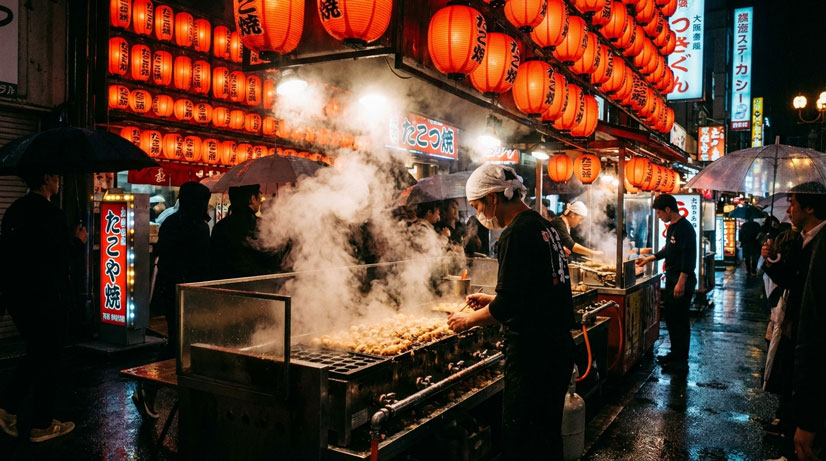
Street Eats Meet Neon Dreams in Tokyo
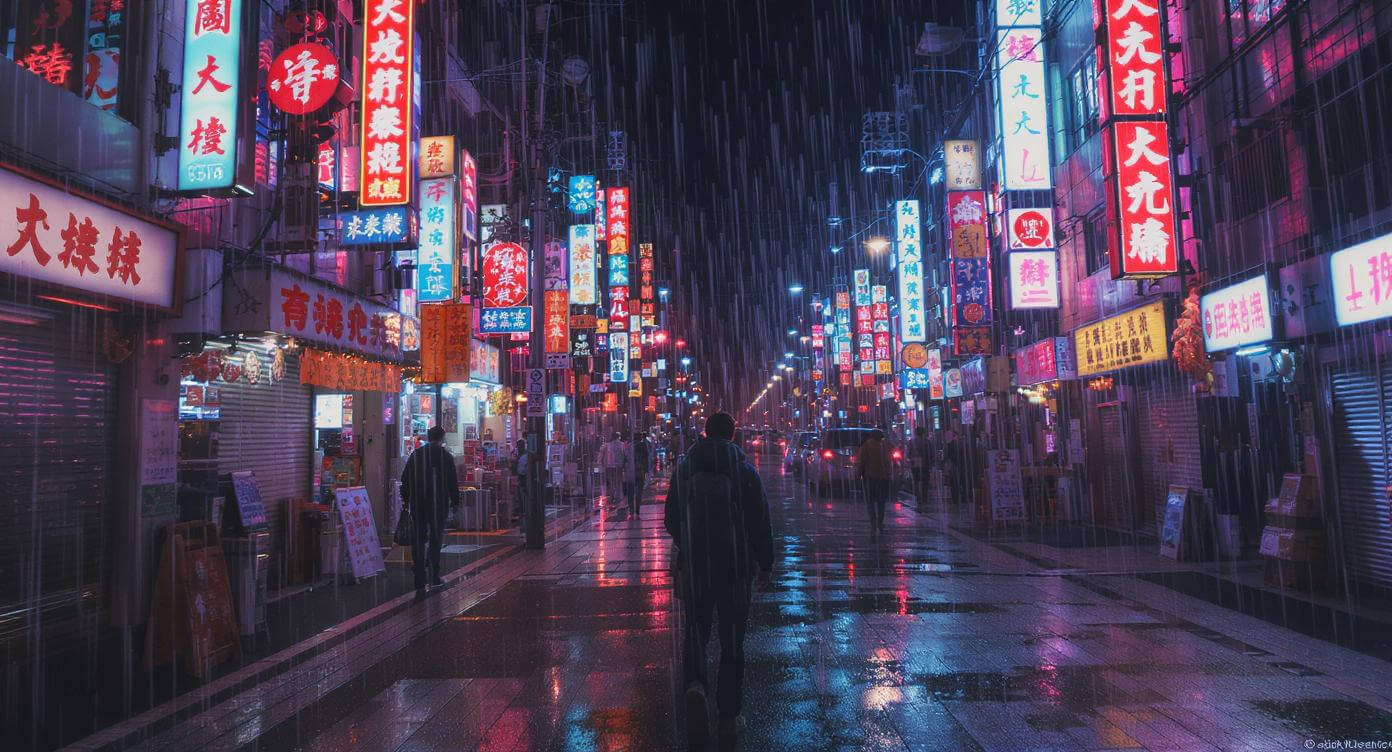
Tokyo, Japan's biggest city, hits you with energy the second you arrive. It's a city that feels like it exists slightly in the future, pulsing with tech, high-speed bullet trains, and millions (yes, millions!) of vending machines where you can purchase (almost) anything.
But tucked between the skyscrapers are pockets of deep tradition and rich history. It wouldn't be uncommon to catch a glimpse of a Shinto ceremony on your way to a 24-hour karaoke bar. That’s the kind of contrast Tokyo offers. And it’s why the city is so addictive.
Best Foodie Finds
Tokyo's food scene alone is reason enough to visit.
In the more traditional Asakusa district, you'll find street food vendors offering the best yakitori (grilled chicken skewers), mochi, and tempura seafood you'll ever have in your life. The Tsukiji Outer Market is another foodie hotspot with local vendors serving up generations-old recipes and sushi that literally melts in your mouth.
And if you’re up for something quirky, head to Harajuku or Shibuya, where you can find tiny alleys with themed cafés, hidden ramen joints, and elaborate desserts like rainbow fairy floss and matcha-themed tiramisu. It's bizarre, it's intense, and it's totally worth it.
Getting Around Like a Local
Even thinking about trying to get around Japan's largest city can make your head spin. But Tokyo's public transportation system is incredibly efficient once you get the hang of it. This is where having ZenSim comes in handy, so you can navigate transit maps, translate menus on the go, and search for hidden pubs (type "izakaya" into Google and thank us later). No more fumbling with paper maps or chasing down elusive Wi-Fi signals. In Tokyo, staying online means you get to unlock all the best-kept local secrets.
Culture and Tranquillity in Kyoto
If Tokyo is the driving pulse of modern Japan, Kyoto is most definitely its timeless soul. Once the imperial capital, Kyoto has managed to preserve the essence of traditional Japanese life better than anywhere else in the country, and it's a must-see on any first visit to Japan.
Temples, Tea Houses, and Traditional Japanese Culture
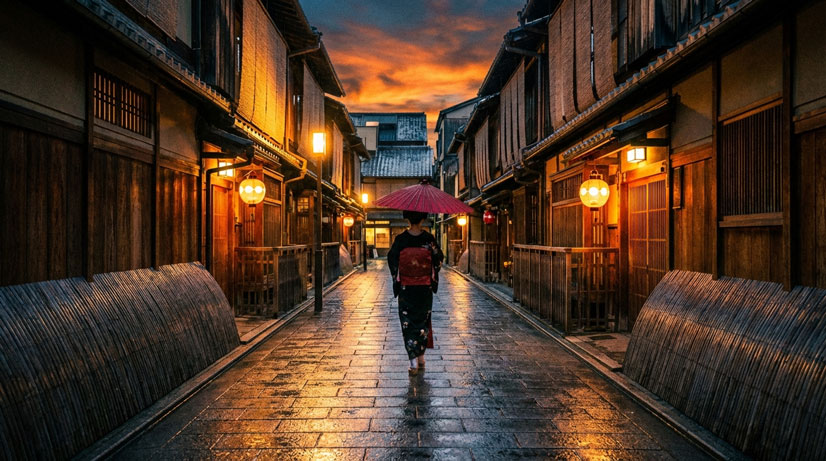
Walking through Kyoto's quiet lanes feels like you're stepping into a different era. Look around and you'll see wooden townhouses, vermilion shrines, and stone pathways that wind past hidden gardens and traditional Japanese inns.
The famed Golden Pavilion, Kinkaku-ji, is a UNESCO World Heritage Site and definitely worth a visit. And the Fushimi Inari Shrine, located at the base of Mount Inari, offers thousands of torii gates and dozens of mesmerising sub-shrines.
A Culinary Capital
Kyoto isn’t all temples and tradition. It’s also one of Japan’s culinary capitals. Local chefs have perfected the art of kaiseki, a multi-course meal that showcases seasonal ingredients with poetic precision. Even a casual lunch can feel like a ceremony. And if you have a sweet tooth, matcha-flavoured everything is on offer. Matcha ice cream. Matcha pancakes. Matcha noodles. Need we say more?
Meet Osaka, Japan’s Kitchen
Osaka may not have Kyoto’s temples or Tokyo’s energy, but it makes up for it with bold flavours and a down-to-earth vibe that will win you over.
This is Japan at its most extroverted. Locals here are known for their friendliness, their sense of humour, and (most importantly) their love of food. If you’re travelling with an appetite, you will be absolutely spoiled for choice in Osaka.
Casual, Craveable Cuisine
The city’s unofficial title as "Japan’s kitchen" isn’t just a nickname. It's a fact. Dotonbori, the heart of Osaka’s food scene, is a sensory overload experience where you'll find street vendors selling takoyaki (octopus balls) and steaming okonomiyaki (savoury pancakes). If you're looking to get stuck-in somewhere, slip into a cosy Japanese bar or pub (called izakayas) for small plates and maybe even some late-night karaoke if you're feeling brave.
Local Charm
Beyond the food, Osaka also offers cultural highlights like Osaka Castle with its sprawling grounds, panoramic views, and vibrant spring festival during cherry blossom season. For a taste of the city’s more eccentric side, head to Shinsekai, a retro-futuristic neighbourhood with old-school charm, quirky shops, and a whole lot of personality.
History and Resilience in Hiroshima
With its tragic history, Hiroshima has now become a symbol of peace and renewal. It’s impossible to visit without being moved, with the city's strength lying in how beautifully it has rebuilt itself both physically and spiritually.
A City That Remembers
A walk through the Peace Memorial Park is both sobering and inspiring. The Atomic Bomb Dome stands as a powerful reminder of what was lost, while the Hiroshima Peace Memorial Museum presents the human stories behind the history. These experiences leave a lasting, emotional imprint, and it's worth taking time to visit.
Must-Try Cuisine
Fast forward to today, and Hiroshima is a vibrant, welcoming city that pulses with life and its own signature flavours. Look for Hiroshima-style okonomiyaki, a savoury-style layered pancake featuring yakisoba noodles, fried eggs, and pork belly. Yes, a bit heavy, but it's completely worth it if you're looking for your next culinary obsession. Another must-eat treat in Hiroshima is oysters, which are harvested fresh from the nearby Seto Inland Sea.
Unmissable Side Trips
Just a short ferry ride away, Miyajima Island offers a peaceful escape with stunning views, friendly deer, and the iconic floating torii gate that sits a few hundred meters into the sea from Itsukushima Shrine. It’s also a great spot to sample more oysters. Try them grilled, steamed, or served raw with a splash of ponzu sauce.
Nara, a Day Trip with Big Rewards
Nara is just a short train ride from Kyoto or Osaka and makes for an unforgettable day trip that’s calm, charming, and deeply rooted in history. It may not be quite as big as some of Japan’s megacities, but Nara more than delivers when it comes to culture and nature, and with fewer tourists to boot!
Meet Friendly Deer and the World’s Largest Bronze Buddha Statue
One of Nara's most famous attractions is Nara Park, which is home to hundreds of free-roaming deer who have, quite literally, learned to bow in exchange for these special crackers called "shika senbei". It’s such a surreal and unforgettable experience that feels like it's straight out of a storybook.
Beyond the deer, you’ll also find Todai-ji Temple, which houses one of the largest bronze Buddha statues in the world. The sheer scale of this statue is breathtaking, and the surrounding grounds offer a peaceful escape from the bustle of nearby cities.
What to Know Ahead of Time
Nara is very laid back, and staying connected to the world isn't as easy as it is in bigger cities like Tokyo and Osaka. You may struggle to find public Wi-Fi outside of the main tourist spots, and it only becomes even more elusive as you head into the more rural areas. Before you go, make sure to get your international roaming sorted or use a Japan eSIM so you'll always have access to maps, translated signage, and all your ticket info so you don't miss your bullet train back to Tokyo!
Fresh Air and Comfort Food in Hokkaido
Hokkaido is the place in Japan where you go to exhale. It's the country's northernmost island, and it's a haven for all things nature.
Year-Round Natural Wonders
During winter, international visitors flock to Niseko, which is a popular destination for skiing, snowboarding, and sledging. Sapporo is another one to add to your Japan bucket list, as it's home to the Sapporo Snow Festival held in February each year.
During spring and summer, you'll also find plenty of lakes, hiking trails, and quiet forests that will make you forget all about the chaos of Tokyo. Head to Furano and Biei for rolling hills and flower fields. Then there’s Noboribetsu, a hot spring town where volcanic steam rises from the earth.
Hearty Eats
And let’s not forget about the food. Hokkaido is known for its hearty cuisine that fuels you up after you've spent the day flying down a mountain on your snowboard. Sapporo ramen, topped with rich miso broth and melting butter, honestly just hits different in the cold. The seafood here is also spectacular. Go for buttery scallops straight from a local market or try fresh uni (sea urchin), which is a delicacy in Hokkaido.
Countless Hidden Gems in Fukuoka
Fukuoka often flies under the radar, but it’s an absolute gem if you're looking for something that's a little slower-paced but also packed to the brim with culture.
Street Food
Fukuoka's yatai (street food) scene is next level. In the evenings, you'll find rows and rows of open-air food stalls lining the streets, serving everything you can imagine. Piping hot ramen, yakitori skewers, tempura vegetables, you can find it (and eat) it all. The best part about Fukuoka is its casual, welcoming vibe that you can feel the moment you arrive at the train station. It's also relatively budget-friendly compared to other cities in Japan, which is perfect if you're a solo traveller in search of authentic local cuisine with a side of friendly conversation.
Beach Vibes
Beyond the food, Fukuoka offers coastal views and relaxed beaches. Make sure to hit Momochi Beach or take a quick trip to Itoshima, where you can chill, surf, and explore. Fukuoka is also an excellent base for exploring other parts of Kyushu, especially if you like hot springs, volcanic landscapes, and local festivals.
Cultural Etiquette and Expert Tips for Travelling in Japan
Japan is one of the most rewarding countries in the world to explore. But it’s also a place where it's important to be mindful of local customs. While no one expects perfection from tourists, having a general awareness of basic Japanese etiquette goes a long way to make your first visit more comfortable and enjoyable.
Blending In Respectfully
In Japan, quiet is golden. When you're out and about on public transport or browsing a small boutique, try to keep your volume low. This is a sign of respect towards others and will be much appreciated by locals.
When greeting people, bowing is standard, and you'll find that it's used everywhere in all different types of situations. Saying hello, saying thank you, and even politely saying no can all be accompanied by a bow. It's also customary to remove your shoes in many homes, temples, and even some restaurants. Make sure to pack shoes that are easy to slip on and off to avoid disruption.
One last etiquette tip for the foodies: eating while walking is generally frowned upon outside of food markets. Try to be mindful of this while walking near temples or through residential areas.
Getting Your Japan Itinerary Sorted Before Your Big Trip
Japan can seem a bit chaotic, but it's actually really, really organised. Before you leave, try to have a rough idea of where you want to go and what you want to see. While you don't necessarily need to book all your domestic travel ahead of time, you should probably go ahead and book your temple lodging or accommodation in advance. You shouldn't need to book your bullet trains before you go, but it's still worth checking any long-distance routes ahead of time, especially if you are travelling with luggage.
Another pro-tip: hotel rooms in Japan tend to be compact, so travelling light will make your life a whole lot easier.
Expert Tips for Staying Connected in Japan
Japanese cities, and even small towns, are some of the most modern, connected cities in the world. But in public, mobile phone use is expected to be discreet. Quietly browsing online using your Japan travel eSIM is fine, but try to avoid talking on the phone in public spaces, like trains and restaurants, when exploring Japan. If you absolutely need to take a phone call, keep your voice low and try to keep it brief to avoid disrupting the people around you.
Creating Your Perfect Japan Itinerary
Japan offers something for every kind of traveller: temples for the history buffs, active volcanoes and surfing for the adventure seekers, and neon-lit karaoke bars for the night owls.
Whatever your vibe is, it's important to leave some room for spontaneity, at least on your first trip. Some of the most incredible experiences in Japan come from stumbling upon something you least expected - a hidden ramen shop, a massive arcade, or a surprise view of Mount Fuji from a distance.
So don't be afraid to adjust your plans on the fly. It's the best way to experience all the magic Japan has to offer.
Travel eSIMs you may like:


Written by Holly Grace Callis
Freelance content writer, a big fan of spicy margs.
Holly is our resident digital nomad making the beaches of Mexico home. You’ll usually find her somewhere in LatAm furiously typing about hidden Europe spots or how to wrangle more data from your e-sim deal. After all, it’s not nomad life if you can’t post it on the ‘gram.
Let's connect on LinkedIn 👉
Get amongst it
Join the community
We will reach out when we launch new products, about our sustainability projects, specials, new innovations or maybe even cool sh*t we think is inbox worthy.


